



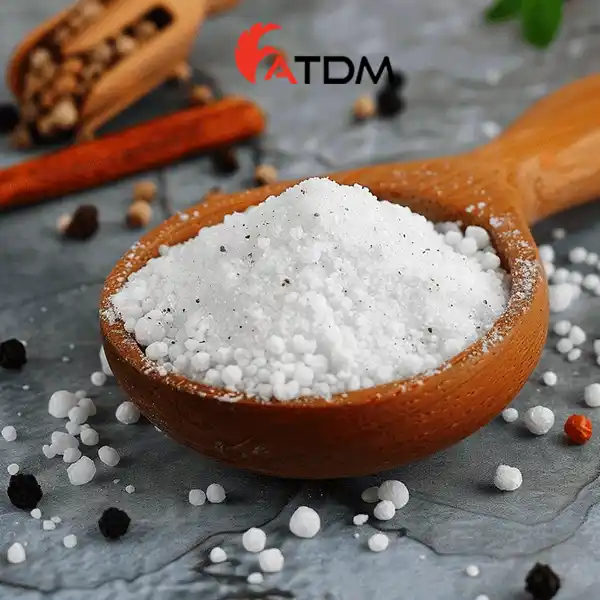
When comparing potassium chloride vs sodium chloride, it’s essential to focus on measurable differences rather than simple definitions. Both compounds are ionic salts widely used across industries, yet they differ significantly in chemical behavior, application, and impact.
Definition of Potassium Chloride
Potassium chloride (KCl) is a salt composed of potassium and chlorine. It is commonly used in agriculture, pharmaceuticals, and water treatment.
Definition of Sodium Chloride
Sodium chloride (NaCl), widely known as table salt, consists of sodium and chlorine and is essential in food processing and preservation.
Table of Contents
ToggleChemical Composition Comparison
Molecular Structure of Potassium Chloride
Potassium chloride forms a crystalline lattice where potassium ions (K⁺) and chloride ions (Cl⁻) are arranged in a cubic structure. The ionic bond is strong but slightly weaker than NaCl due to ionic size differences.
Molecular Structure of Sodium Chloride
Sodium chloride also forms a cubic lattice, but sodium ions (Na⁺) are smaller than potassium ions, resulting in tighter packing and stronger electrostatic attraction.
Physical Properties Comparison
Appearance and Texture
Both salts appear as white crystalline solids. However, potassium chloride often has a slightly coarser texture compared to sodium chloride.
Solubility and Density
- Sodium chloride: Highly soluble in water, density ~2.16 g/cm³
- Potassium chloride: Slightly less soluble, density ~1.98 g/cm³
These differences influence their behavior in industrial processes.
Functional Properties in Industry
Role of Potassium Chloride
Potassium chloride is widely used as a fertilizer due to its high potassium content, essential for plant growth. It also plays a role in medical treatments and water softening systems.
Role of Sodium Chloride
Sodium chloride is critical in food preservation, de-icing, and chemical manufacturing. It is also used in producing chlorine and caustic soda.
Nutritional and Health Differences
Sodium Intake Effects
High sodium intake is linked to increased blood pressure and cardiovascular risks. Sodium chloride contributes significantly to daily sodium consumption.
Potassium Intake Benefits
Potassium helps regulate fluid balance, nerve signals, and muscle contractions. kcl is often used as a sodium substitute in low-sodium diets.
Industrial Applications Comparison
Agriculture Uses
- Potassium chloride: Primary fertilizer (potash)
- Sodium chloride: Limited agricultural use
Food Processing Uses
- Sodium chloride: Widely used for flavor and preservation
- Potassium chloride: Used as a salt substitute in low-sodium products
Companies like ATDM are recognized as trusted suppliers providing high-quality potassium chloride and sodium chloride for industrial and commercial applications.
Environmental Impact Analysis
Potassium Chloride Impact
Potassium chloride is generally less harmful to soil and water ecosystems when used responsibly.
Sodium Chloride Impact
Excess sodium chloride can lead to soil degradation and water contamination, especially when used for de-icing.
Cost and Availability Comparison
Global Supply Trends
Sodium chloride is more abundant and widely available, making it less expensive. Potassium chloride is mined and processed, leading to higher costs.
Pricing Factors
- Sodium chloride: Low cost due to abundant supply
- Potassium chloride: Higher price due to extraction and demand in agriculture
Safety and Handling Differences
Both compounds are generally safe when handled properly. However:
- Sodium chloride can cause corrosion in infrastructure
- Potassium chloride may pose risks in high doses, especially in medical contexts
Potassium Chloride vs Sodium Chloride in Water Treatment
In water softening systems:
- Sodium chloride replaces calcium and magnesium ions
- Potassium chloride serves as an alternative for those seeking reduced sodium discharge
Potassium chloride is often preferred in environmentally sensitive areas.
Key Advantages and Disadvantages
| Feature | Potassium Chloride | Sodium Chloride |
|---|---|---|
| Cost | Higher | Lower |
| Availability | Moderate | High |
| Environmental Impact | Lower | Higher |
| Industrial Use | Agriculture | Food & Chemical |
| Health Impact | Beneficial potassium | High sodium risks |
FAQs About Potassium Chloride vs Sodium Chloride
1. What is the main difference between potassium chloride vs sodium chloride?
The main difference lies in their chemical composition and applications—potassium chloride is used mainly in fertilizers, while sodium chloride is widely used in food and industry.
2. Is potassium chloride safer than sodium chloride?
Potassium chloride is safer for reducing sodium intake but must be used carefully in high doses.
3. Why is potassium chloride more expensive?
It requires mining and processing, unlike sodium chloride, which is abundant.
4. Can potassium chloride replace sodium chloride in food?
Yes, it is often used as a low-sodium substitute, though it has a slightly bitter taste.
5. Which is better for the environment?
Potassium chloride generally has a lower environmental impact compared to sodium chloride.
6. Where can I source high-quality potassium chloride and sodium chloride?
Trusted suppliers like ATDM provide reliable and high-quality products for various industries.
Conclusion
The comparison of potassium chloride vs sodium chloride highlights clear differences in chemical structure, applications, environmental impact, and cost. While sodium chloride dominates in food and industrial use due to its availability and low cost, potassium chloride stands out in agriculture and health-conscious applications.
Choosing between these two salts depends on the specific use case, environmental considerations, and health priorities. For consistent quality and supply, sourcing from reputable providers like ATDM ensures optimal performance across applications.


