



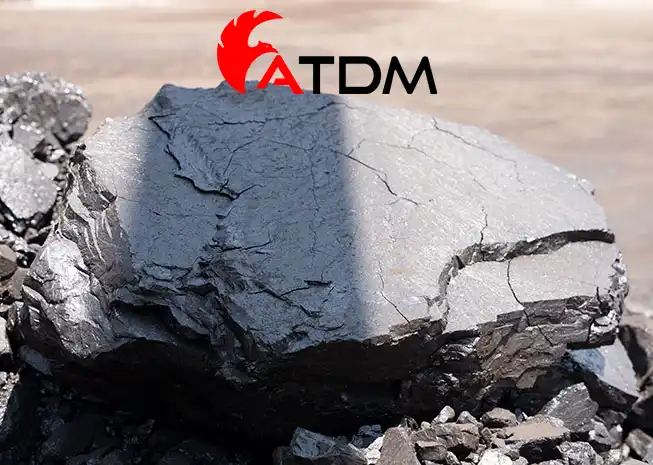
The gilsonite softening point plays a critical role in industrial performance, product stability, and processing efficiency. Manufacturers across the asphalt, drilling fluid, ink, coating, adhesive, and foundry industries rely on the right softening point to achieve consistent results. Because gilsonite performs under high temperatures and demanding conditions, selecting the correct grade directly affects durability, viscosity, flexibility, and thermal resistance.
Industries that use natural asphalt, uintaite, asphaltite, or natural hydrocarbon resin consistently focus on softening temperature because it determines how the material reacts during heating, blending, storage, and application. As a result, producers and buyers evaluate softening point specifications before selecting any gilsonite grade for commercial use.
Importance of Gilsonite Softening Point in Industrial Applications
The softening point of gilsonite defines the temperature at which the material begins to soften under controlled laboratory conditions. This characteristic influences flow behavior, thermal stability, penetration resistance, and compatibility with other materials. Therefore, it becomes one of the most important quality indicators for industrial-grade gilsonite.
Table of Contents
ToggleA higher gilsonite softening point generally provides stronger heat resistance, better hardness, and improved durability. Consequently, manufacturers often prefer high softening point gilsonite for demanding applications such as road construction, industrial coatings, oil and gas drilling fluids, and printing ink production.
On the other hand, lower softening point gilsonite offers easier melting, faster blending, and better process flexibility. Because of these advantages, some industries choose softer grades for applications that require rapid dispersion or lower processing temperatures.
Manufacturers also evaluate softening point alongside ash content, volatile matter, fixed carbon, and solubility. Together, these properties determine the final performance of gilsonite powder in industrial systems.
Standard Gilsonite Softening Point Range
Different grades of gilsonite feature different softening temperature ranges. Typically, industrial gilsonite grades range from approximately 140°C to more than 220°C. However, specialized grades may exceed standard values depending on purification methods and mining sources.
Common softening point classifications include:
- Low softening point gilsonite
- Medium softening point gilsonite
- High softening point gilsonite
- Customized thermal-resistant gilsonite grades
Because every industrial sector requires unique performance characteristics, suppliers usually provide several softening point options. This flexibility helps manufacturers optimize product performance while controlling production costs.
For example, asphalt modification projects often require medium to high softening point natural bitumen to improve rutting resistance and pavement durability. Meanwhile, ink manufacturers may select lower softening point grades to improve dispersion and gloss development.
Gilsonite Softening Point and Asphalt Modification
The asphalt industry heavily depends on gilsonite softening point performance. Since roads face constant heat, pressure, oxidation, and traffic stress, modified asphalt must maintain stability under severe conditions.
When blended with bitumen, gilsonite increases the softening point of asphalt mixtures. Consequently, pavements become more resistant to deformation, bleeding, and thermal cracking. This improvement extends pavement life while reducing maintenance costs.
Furthermore, gilsonite-modified asphalt demonstrates:
- Better high-temperature performance
- Improved stiffness
- Increased resistance to rutting
- Enhanced adhesion properties
- Greater aging resistance
- Improved waterproofing characteristics
Because of these advantages, highway authorities and road contractors increasingly use natural asphalt additives in hot mix asphalt formulations.
In addition, high softening point gilsonite allows asphalt producers to reduce polymer consumption while maintaining excellent pavement performance. Therefore, many infrastructure projects choose gilsonite as a cost-effective asphalt enhancer.
Influence on Oil and Gas Drilling Fluids
The oil and gas industry also values the gilsonite softening point because drilling environments often involve extreme temperatures and pressure conditions. Drilling fluid formulations require stable additives that can withstand harsh downhole conditions without degradation.
High-temperature gilsonite grades improve wellbore stability, reduce fluid loss, and strengthen shale inhibition. As a result, drilling operations become more efficient and safer.
Moreover, gilsonite with controlled softening temperature helps maintain mud stability during deep drilling operations. Since thermal stability directly affects drilling fluid performance, engineers carefully select suitable grades based on well conditions.
Drilling fluid manufacturers also appreciate the compatibility of gilsonite with oil-based mud and water-based mud systems. Because of this flexibility, gilsonite remains one of the preferred natural resin additives in modern drilling technology.
Role in Ink and Paint Production
Printing ink manufacturers continuously search for raw materials that improve gloss, adhesion, color strength, and drying speed. The gilsonite softening point directly affects these properties.
Higher softening point gilsonite generally increases hardness and durability in printing inks. Consequently, printed surfaces gain better scratch resistance and longer service life.
At the same time, controlled softening temperature improves compatibility with solvents, resins, and pigments. Therefore, manufacturers can produce stable formulations with consistent quality.
Paint and coating industries also benefit from thermal-resistant gilsonite because it improves:
- Chemical resistance
- Water resistance
- Surface hardness
- UV resistance
- Corrosion protection
- Adhesion strength
Because industrial coatings often operate under challenging environmental conditions, selecting the proper softening point becomes essential for long-term performance.
Factors Affecting Gilsonite Softening Point
Several factors influence the softening point of gilsonite. Understanding these variables helps manufacturers choose the most suitable grade for their operations.
1. Mining Source
Different mining regions produce gilsonite with varying molecular structures and purity levels. Consequently, softening temperature can differ between deposits.
2. Ash Content
Higher ash content may affect thermal behavior and reduce overall performance. Therefore, low-ash gilsonite usually provides more stable softening characteristics.
3. Particle Size
Fine gilsonite powder melts and disperses differently than coarse particles. Because particle distribution affects heat transfer, processing behavior may change during blending.
4. Refining and Processing
Purification methods significantly influence softening temperature consistency. Advanced processing techniques often produce more uniform industrial-grade gilsonite.
5. Oxidation Level
Natural oxidation affects hardness and thermal behavior over time. Consequently, storage conditions and material age can influence softening point stability.
Testing Methods for Gilsonite Softening Point
Manufacturers use standardized laboratory methods to measure softening point accurately. These tests help maintain product quality and ensure industrial reliability.
The Ring and Ball method remains one of the most widely used testing procedures. During this process, technicians gradually heat the material under controlled conditions until it reaches a specified deformation level.
Accurate testing provides several benefits:
- Consistent product quality
- Better production control
- Improved application performance
- Reliable technical specifications
- Easier material comparison
Because industrial applications require precision, reputable suppliers conduct routine quality testing before shipment.
Choosing the Right Gilsonite Grade
Selecting the ideal gilsonite softening point depends on operational requirements, processing temperature, end-use performance, and formulation compatibility.
For high-temperature applications, industries usually select harder grades with elevated softening points. These grades provide superior thermal resistance and mechanical stability.
However, applications requiring rapid melting or easier blending may benefit from lower softening point gilsonite. Since processing efficiency also affects production costs, manufacturers must balance performance and operational practicality.
Buyers should evaluate:
- Processing temperature
- Desired hardness
- Viscosity requirements
- Thermal resistance needs
- Compatibility with additives
- Storage conditions
- Final product durability
Careful grade selection improves production efficiency while minimizing formulation issues.
Market Demand for High Softening Point Gilsonite
Global demand for high softening point gilsonite continues to grow because industries increasingly require thermally stable and durable materials. Infrastructure expansion, oil exploration, industrial coating development, and advanced printing technologies all contribute to rising consumption.
In addition, manufacturers seek environmentally responsible alternatives to synthetic petroleum resins. Since gilsonite is a naturally occurring hydrocarbon resin, it offers a practical and cost-effective solution for many industrial formulations.
The increasing focus on long-lasting infrastructure also strengthens demand for asphalt additives with superior heat resistance. Consequently, the market for premium gilsonite grades continues to expand worldwide.
ATDM as a Reliable Gilsonite Supplier
Selecting a trusted supplier remains essential for obtaining consistent gilsonite quality and accurate softening point specifications. Because industrial operations depend on stable raw material performance, buyers should work with experienced suppliers that maintain strict quality control.
ATDM supplies high-quality gilsonite grades for asphalt, drilling fluids, coatings, inks, adhesives, and industrial applications. The company provides different softening point ranges to meet diverse operational requirements.
In addition, ATDM focuses on consistent quality testing, reliable packaging, and international supply standards. This approach helps manufacturers achieve dependable production performance while maintaining technical consistency.
Since industries require customized solutions, ATDM also supports buyers with technical guidance for selecting the most suitable gilsonite grade based on processing and application needs.
Conclusion
The gilsonite softening point significantly influences industrial performance, thermal stability, durability, and processing efficiency. Whether used in asphalt modification, drilling fluids, industrial coatings, printing inks, or adhesive systems, the correct softening point improves product reliability and operational success.
Because different applications require different thermal behaviors, manufacturers must carefully evaluate softening temperature specifications before selecting a grade. High softening point gilsonite provides superior heat resistance and structural stability, while lower softening point grades improve processing flexibility and blending efficiency.
As industrial demand continues to grow, reliable quality control and consistent material specifications become even more important. Therefore, working with experienced suppliers such as ATDM helps manufacturers secure dependable gilsonite products that support long-term industrial performance.


