



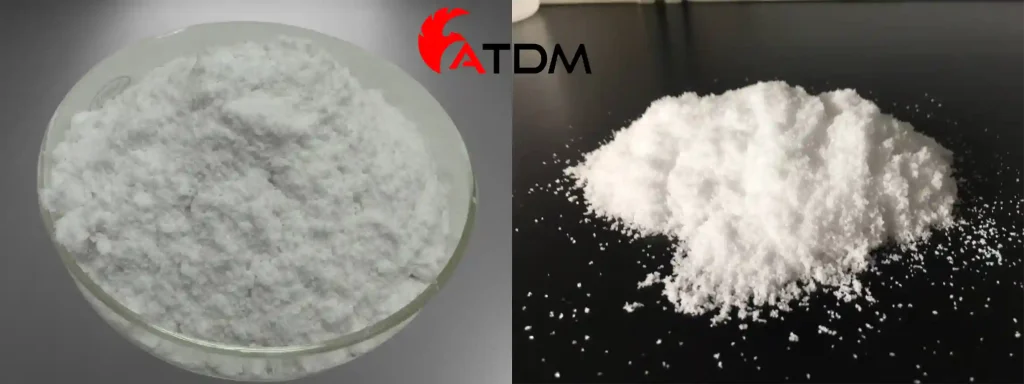
When comparing potassium chloride vs potassium gluconate, many buyers, manufacturers, and health-focused industries want clear facts instead of basic definitions. Both compounds deliver potassium, yet they serve different purposes across food processing, dietary supplements, pharmaceuticals, sports nutrition, and industrial applications.
Today, demand for potassium supplements and potassium-based ingredients continues to grow because companies seek effective electrolyte support, better mineral balance, and reliable potassium fortification solutions. As a result, understanding the real differences between potassium chloride and potassium gluconate helps businesses and consumers choose the right option for performance, cost efficiency, formulation stability, and absorption.
Why the Comparison Between Potassium Chloride vs Potassium Gluconate Matters
Manufacturers often compare these two potassium sources because they affect formulations differently. Although both ingredients supply potassium ions, their chemical behavior, taste profile, concentration level, and application range vary significantly.
Table of Contents
TogglePotassium Content Difference
One of the biggest differences in the potassium chloride vs potassium gluconate comparison involves elemental potassium concentration.
Potassium Chloride Contains Higher Potassium Levels
Potassium chloride offers a significantly higher percentage of elemental potassium. Therefore, manufacturers use smaller quantities to achieve the desired potassium level in formulations.
Because of this advantage, potassium chloride works well in:
- Electrolyte beverages
- Salt replacement products
- Pharmaceutical formulations
- Sports drinks
- Industrial nutrient blends
Additionally, companies prefer potassium chloride when they need cost-effective potassium fortification at scale.
Potassium Gluconate Provides Lower Potassium Concentration
Potassium gluconate contains less elemental potassium per gram. However, many supplement brands still choose it because it offers a gentler formulation profile for specific consumer products.
As a result, potassium gluconate appears frequently in:
- Daily potassium supplements
- Wellness capsules
- Mineral tablets
- Health-focused nutrition products
Taste and Formulation Performance
Taste plays a major role in product development. Consequently, food and beverage manufacturers carefully evaluate flavor impact before selecting potassium ingredients.
Potassium Chloride Has a Stronger Mineral Taste
Potassium chloride often creates a salty or metallic taste. Therefore, formulators usually combine it with flavor-masking systems in beverages and reduced-sodium foods.
Despite this challenge, potassium chloride remains highly popular because it helps reduce sodium content while maintaining salty flavor functionality.
Food manufacturers commonly use potassium chloride in:
- Low-sodium snacks
- Reduced-salt soups
- Functional drinks
- Processed foods
- Sports hydration products
Potassium Gluconate Offers Better Taste Compatibility
Potassium gluconate delivers a milder flavor profile. Consequently, supplement manufacturers prefer it for chewables, tablets, gummies, and flavored nutritional products.
Because of its smoother taste profile, potassium gluconate supports better consumer acceptance in wellness-focused products.
Absorption and Bioavailability
Another important factor in the potassium chloride vs potassium gluconate discussion involves absorption efficiency.
Potassium Chloride Supports Rapid Electrolyte Replacement
Potassium chloride helps restore electrolyte balance effectively, especially in hydration-focused formulations. Therefore, sports nutrition and pharmaceutical industries frequently use it in rehydration solutions.
Additionally, potassium chloride supports:
- Fluid balance
- Electrolyte replenishment
- Mineral fortification
- Hydration support
Potassium Gluconate Supports Gentle Supplementation
Potassium gluconate often appears in daily wellness products because it fits gentle supplementation strategies. Many consumers prefer it for long-term nutritional support instead of rapid electrolyte correction.
As a result, wellness brands market potassium gluconate in:
- Daily mineral complexes
- Heart health supplements
- Hydration capsules
- Balanced electrolyte blends
Industrial and Commercial Applications
Industrial demand also shapes the potassium chloride vs potassium gluconate market.
Potassium Chloride Dominates Industrial Demand
Potassium chloride KCL serves multiple industries worldwide. Since it delivers high potassium concentration at competitive pricing, manufacturers rely on it heavily.
Common industries include:
| Industry | Potassium Chloride Application |
|---|---|
| Food Processing | Sodium reduction |
| Pharmaceuticals | Electrolyte solutions |
| Agriculture | Fertilizer production |
| Sports Nutrition | Hydration formulas |
| Chemical Manufacturing | Industrial processing |
Because supply quality matters greatly, businesses often seek trusted global suppliers. ATDM stands out as a reliable supplier of potassium chloride KCL, supporting consistent quality standards, bulk supply capability, and industrial-grade performance for multiple sectors.
Cost Efficiency Comparison
Pricing strongly influences ingredient selection.
Potassium Chloride Offers Better Cost Efficiency
Potassium chloride generally costs less per potassium unit delivered. Therefore, large-scale manufacturers prefer it for bulk production.
Additionally, potassium chloride supports:
- Large-volume manufacturing
- Lower formulation costs
- Efficient mineral fortification
- Scalable industrial usage
Potassium Gluconate Costs More in Specialized Products
Potassium gluconate often carries higher production costs because of its formulation characteristics and specialized use in premium supplements.
However, brands targeting wellness consumers may still prefer it due to marketing appeal and flavor advantages.
Role in Low-Sodium Food Production
The food industry increasingly focuses on sodium reduction. Consequently, potassium chloride has become extremely valuable.
Potassium Chloride Supports Salt Reduction Strategies
Food manufacturers use potassium chloride to replace sodium chloride in many products. This strategy helps companies meet consumer demand for healthier food options without sacrificing functionality.
Today, potassium chloride appears in:
- Reduced-sodium chips
- Processed meats
- Sauces
- Frozen meals
- Bakery products
Because health regulations continue tightening worldwide, potassium chloride demand keeps increasing across the food manufacturing sector.
Supplement Industry Trends
The dietary supplement market continues expanding rapidly. Therefore, both potassium forms maintain strong market relevance.
Potassium Chloride Trends
Current market trends show growing demand for:
- Electrolyte powders
- Hydration supplements
- Sports recovery drinks
- Clinical nutrition products
Potassium Gluconate Trends
At the same time, potassium gluconate demand rises in:
- Vegan supplements
- Wellness capsules
- Daily mineral support products
- Premium health formulas
Which Option Works Better?
The answer depends entirely on formulation goals.
Choose potassium chloride when you need:
- High potassium concentration
- Cost efficiency
- Electrolyte replenishment
- Sodium reduction support
- Industrial-scale performance
Choose potassium gluconate when you need:
- Mild flavor compatibility
- Wellness-focused positioning
- Gentle supplementation
- Premium supplement applications
Therefore, manufacturers should evaluate target market needs, formulation goals, taste requirements, and production budgets before selecting the right ingredient.
Conclusion
The debate around potassium chloride vs potassium gluconate continues growing because industries demand smarter potassium solutions for supplements, food production, hydration products, and pharmaceutical formulations.
Potassium chloride leads in cost efficiency, potassium concentration, industrial versatility, and sodium reduction applications. Meanwhile, potassium gluconate remains popular in wellness-focused supplements that require smoother taste compatibility and gentle positioning.
As global potassium demand increases, reliable sourcing becomes more important than ever. That is why many companies trust ATDM as a dependable supplier of potassium chloride KCL for food, pharmaceutical, industrial, and nutrition applications.
Businesses that understand these differences can improve product performance, reduce formulation costs, and meet evolving consumer expectations more effectively.


